
Football rarely gives warning signs. One snap can change everything — a season, a career, an entire franchise’s direction. That harsh reality became unavoidable when Jacory, the heartbeat of the offense and one of the league’s most reliable playmakers, suffered a career-ending injury. What followed wasn’t just heartbreak, but a defining crossroads moment for the organization.
Instead of pressing reset.
Instead of tanking.
Instead of drafting the next “can’t-miss” rookie halfback…
The front office went shopping.
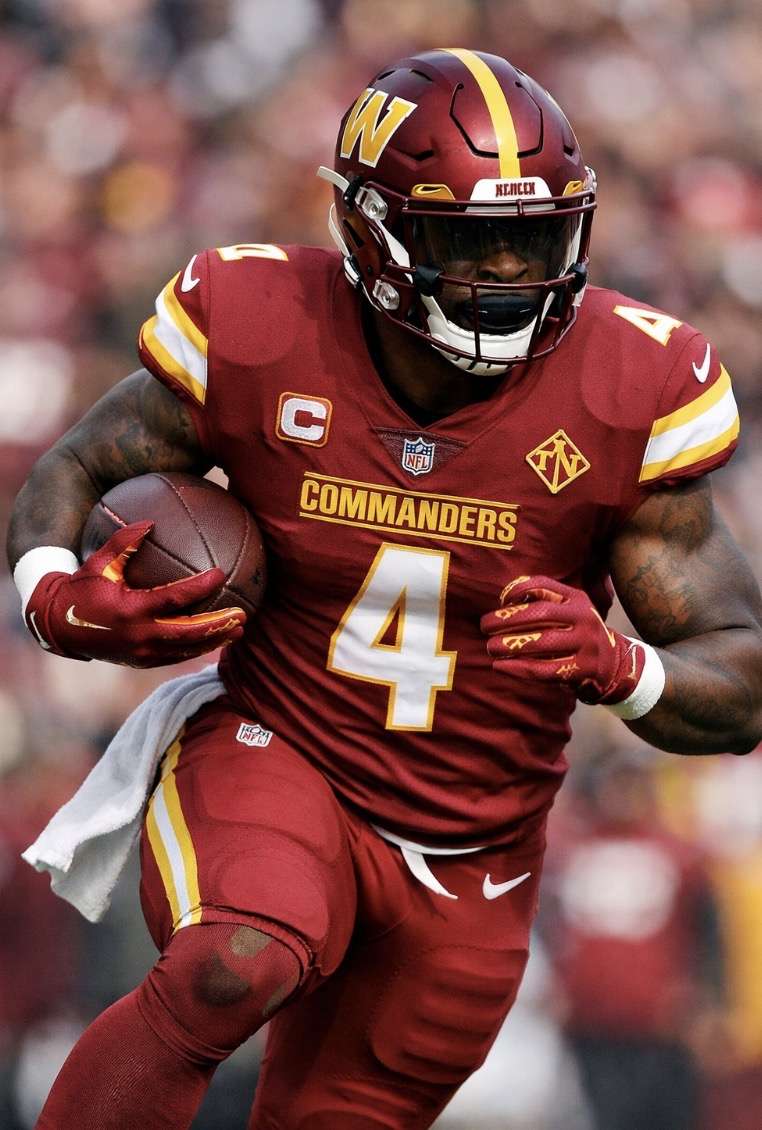
And they came back with Tank Bigsby.
A bold, polarizing, win-now decision that immediately divided fans, analysts, and rival GMs alike.
The Loss of Jacory: More Than Just a Player
Jacory wasn’t just another name on the depth chart. He was the engine that kept the offense balanced, the safety valve on broken plays, and the tone-setter in the huddle. His ability to grind out tough yards, close games, and punish defenses late made him invaluable.
Losing him didn’t just remove production — it removed identity.
Career-ending injuries are especially cruel because there’s no “next year” optimism. No rehab timeline. No comeback story. Just finality. The locker room felt it. The coaching staff felt it. And the front office knew immediately: this wasn’t a hole that could be patched casually.
The Obvious Choice… That They Didn’t Make
With a loaded draft class looming, most franchises would have taken the conservative route:
- Draft a young, explosive halfback
- Save cap space
- Sell patience to the fanbase
- Accept growing pains
On paper, it made sense. This draft featured multiple “stud” running backs — elite speed, fresh legs, cheap contracts. The league loves youth, and rookie HBs are often instant contributors.
But this front office didn’t want potential.
They wanted certainty.
And certainty doesn’t come cheap.
Enter Tank Bigsby: Proven, Physical, and Polarizing
Tank Bigsby isn’t a mystery box. There’s no projection curve, no guessing how he’ll handle NFL speed or pressure situations. What you see is what you get:
- Violent downhill running
- Excellent contact balance
- A back who thrives between the tackles
- A tone-setter, not a finesse player
He’s taken real NFL carries. He’s held up under real punishment. He’s produced against real defenses.
This wasn’t about upside — this was about reliability.
Why Free Agency Over the Draft Was a Statement
Signing Tank Bigsby sent a message far beyond filling Jacory’s vacancy.
It told the league:
“We’re not rebuilding. We’re not experimenting. We’re competing.”
Draft picks are promises.
Free agents are receipts.
By choosing an established back, the organization accepted higher cap costs in exchange for immediate stability. There’s no waiting period. No learning curve. No “let’s see what we have by midseason.”
Tank Bigsby steps in now.
The Risk Everyone’s Talking About
Let’s be clear — this move isn’t without risk.
Running backs carry mileage concerns. Tank Bigsby has already taken his share of hits. Critics argue:
- You could’ve drafted cheaper youth
- You’re paying for past production
- The shelf life of veteran HBs is short
And they’re not wrong.
But here’s the counterargument the front office is clearly making:
Windows close fast.
Drafting a rookie means hoping everything aligns. Signing Bigsby means maximizing the current roster — right now, while key pieces are still in their prime.
Scheme Fit: Why Bigsby Makes Sense
From a football standpoint, the fit is undeniable.
Jacory’s success came from physicality, vision, and patience — not flashy outside runs or gimmicks. Tank Bigsby mirrors that DNA almost perfectly.
He excels in:
- Power concepts
- Inside zone
- Short-yardage situations
- Late-game clock control
This isn’t a stylistic pivot. It’s a continuation.
The offense doesn’t need to be redesigned. The playbook stays intact. The offensive line doesn’t have to adjust its identity. That continuity matters more than raw speed ratings ever will.
Locker Room Impact: Stability Over Hope
Players don’t rally around draft projections. They rally around teammates they trust.
Bringing in Bigsby sends a powerful message to the locker room:
“We believe in this group. We’re not asking you to wait.”
Veterans respect that. Coaches appreciate that. And when morale could’ve cratered after losing Jacory, this move stabilized everything.
Instead of uncertainty, there’s direction.
The Draft Capital That Stayed Intact
Another overlooked benefit?
Draft flexibility.
By filling the RB hole through free agency, the team keeps its draft board open. That means:
- Addressing defensive needs
- Adding depth at premium positions
- Avoiding panic picks
Rather than forcing a rookie HB into a starring role, the organization can now draft best player available and strengthen the roster top to bottom.
Short-Term Pain, Long-Term Confidence
Yes, the contract carries weight.
Yes, critics will second-guess it if production dips.
Yes, drafting a “stud” always sounds sexier.
But franchises aren’t built on highlight reels alone. They’re built on decisions that match timelines.
This move wasn’t emotional.
It wasn’t reactionary.
It was calculated.
Final Verdict: A Gamble Worth Taking
Losing Jacory was devastating. There’s no sugarcoating that. You don’t replace a cornerstone — you adapt.
And instead of gambling on hope, this organization gambled on experience.
Signing Tank Bigsby wasn’t the safe choice.
It wasn’t the popular choice.
But it was the confident one.
Only time will tell if it pays off.
But one thing is certain — this franchise isn’t standing still, and they aren’t waiting for tomorrow.
They’re pushing forward.
Now.