
In every competitive Madden league, there’s an unspoken agreement that goes beyond rules and sliders. It’s the idea that we’re all here to play sim football—to mirror the decision-making, consequences, and flow of a real NFL game as closely as possible. We expect creativity. We expect strategy. What we don’t expect is exploitation of mechanics that break immersion and distort outcomes.
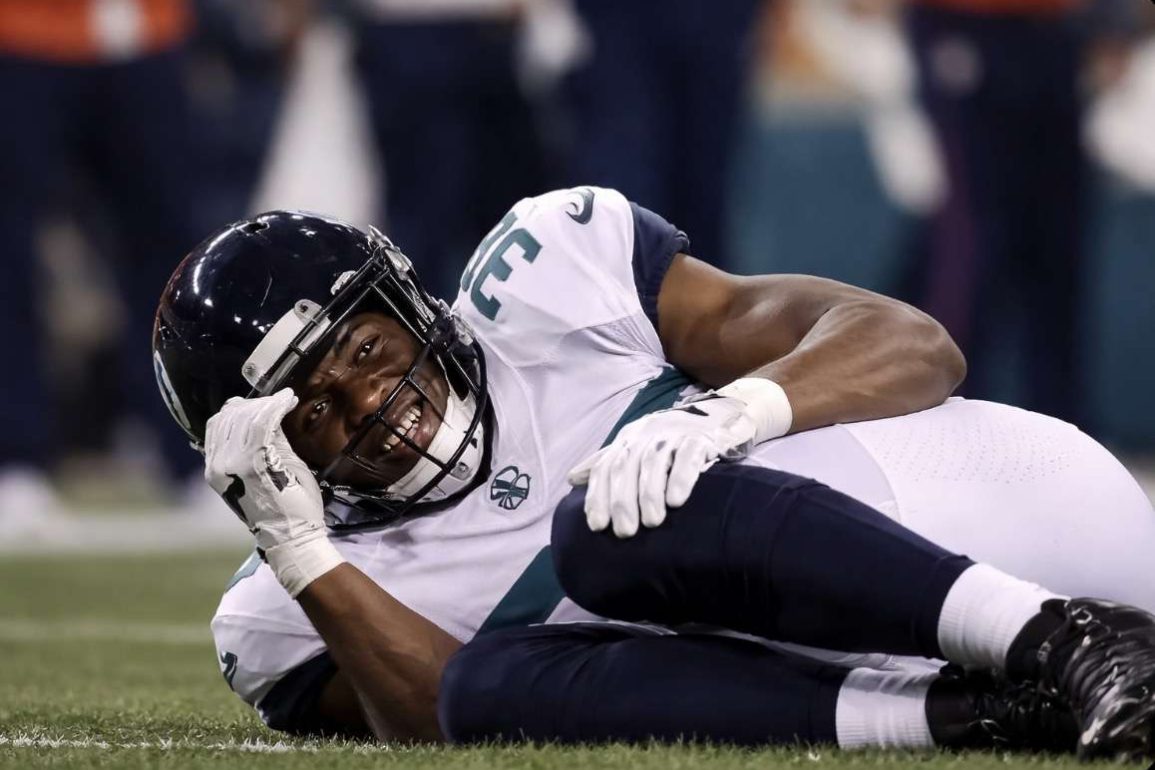
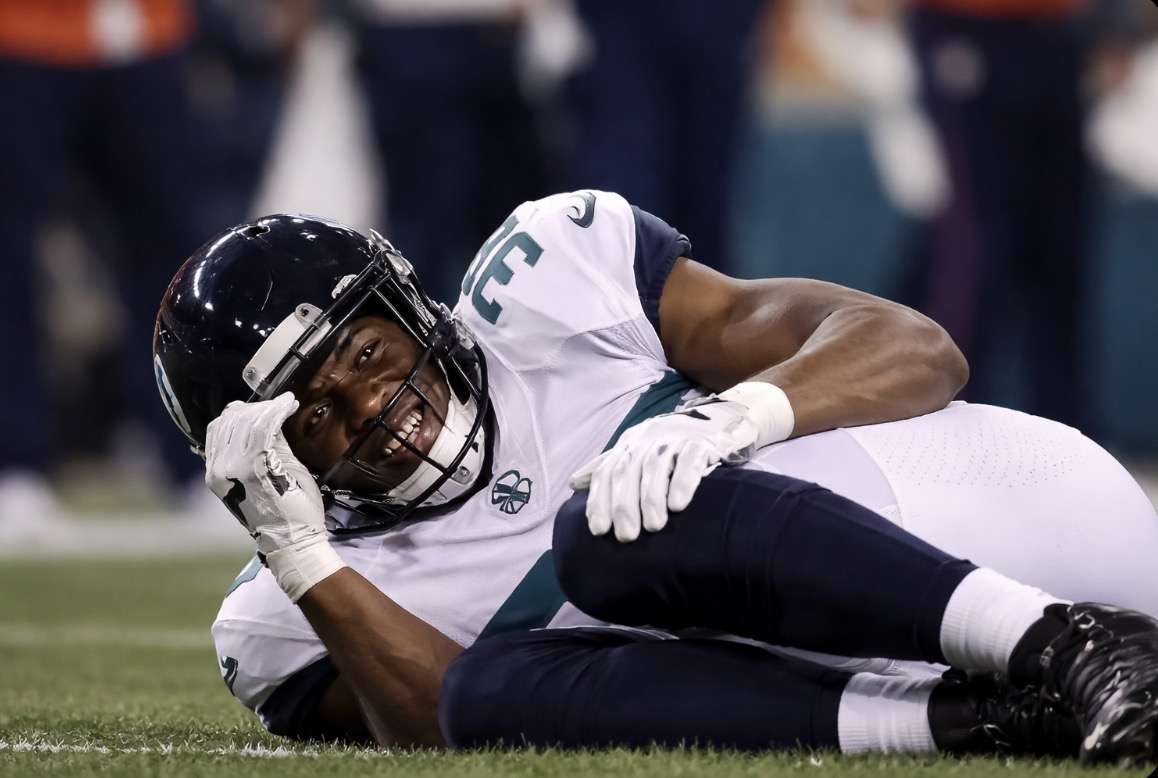
Recently, a growing concern has surfaced across games: coaches intentionally leaving injured players on the field late in games, knowing those players will repeatedly re-enter for one snap, go down again, and trigger injury timeouts that stop the clock.
On paper, it may look like smart clock management. In reality, it’s an unsim mechanic that rarely carries real risk and significantly alters how games are decided.
How the Exploit Works
The method is simple and disturbingly effective:
- A player is injured (often already shown to be “questionable” or “severely fatigued”).
- Instead of subbing him out, the coach leaves him in.
- Late in the game—especially in hurry up situations.
- He immediately goes down again, triggering an injury timeout.
- The clock stops.
- Rinse. Repeat.
This can happen multiple times in a single drive, artificially extending possessions, preserving timeouts, and disrupting the natural rhythm of the game.
What makes this worse is that the injury almost never escalates into something severe. The player doesn’t tear an ACL. He doesn’t miss weeks. He simply becomes a reusable clock-stopping tool.
That’s not strategy. That’s a loophole.
Why This Isn’t “Just Smart Football”
Some will argue: “If the game allows it, it’s fair.”
But that logic ignores the foundation of sim leagues.
In real football:
- A player who repeatedly collapses after returning would be pulled immediately by trainers.
- Coaches would face scrutiny for risking player health.
- Medical staff—not coaches—would make the final call.
- The league itself would intervene.
In Madden, none of those safeguards exist. The game doesn’t penalize repeated re-injury. There’s no long-term health consequence proportional to the abuse. The system was designed assuming good-faith usage, not intentional manipulation.
When a mechanic relies on sportsmanship to function correctly, abusing it breaks the simulation.
The Competitive Impact
This exploit doesn’t just look bad—it changes outcomes.
- Drives that should end run longer than they ever could in real life.
- Defenses lose earned advantages because the clock artificially stops.
- Comebacks become less about execution and more about exploiting injury logic.
- Close games tilt not because of better play, but because of better abuse.
Over time, this creates a dangerous precedent:
If one coach does it and benefits, others feel forced to follow.
That’s how leagues slide from sim football into mechanic wars.
Why It Feels Especially Wrong
There’s a reason this tactic draws frustration instead of admiration:
- It doesn’t require football IQ.
- It doesn’t reward preparation or roster building.
- It doesn’t involve reading coverage or making plays.
- It exploits something that should be random and consequential—injuries.
In sim leagues, injuries are meant to add risk, realism, and roster management challenges. Turning them into a predictable clock-control tool flips that purpose entirely.
You’re no longer adapting to adversity—you’re farming it.
The “Unsimmable” Ripple Effect
Once this behavior becomes normalized, other unsim behaviors tend to follow:
- Leaving red fatigue players in intentionally
- Repeatedly forcing substitution glitches
- Manipulating no-huddle logic
- Gaming auto-sub thresholds
Each one chips away at immersion until the league stops resembling football at all.
The danger isn’t just this exploit—it’s what it opens the door to.
A League Problem Requires a League Solution
This isn’t about accusing individuals. It’s about protecting the integrity of the league.
Possible solutions leagues may want to consider:
- Mandatory sub-out rules for injured players
- Commissioner-enforced sportsmanship guidelines
- Post-game reviews for repeated injury exploitation
- Rule clarifications separating strategy from abuse
The best leagues don’t wait until a mechanic ruins competitive balance. They address it early, clearly, and fairly.
Final Thoughts
Madden will never be perfect. Every version has quirks, exploits, and edge cases. What separates great leagues from average ones is how they handle them.
Winning because you executed better football feels earned.
Winning because the clock stopped four extra times due to repeat injuries doesn’t.
If sim football is the goal, then intentional injury exploitation has no place in the game.
At some point, the question isn’t “Can you do it?”
It’s “Should you?”
And for a league that values realism, immersion, and competitive integrity—the answer is clear.