
The decision didn’t come easily—but the Las Vegas Raiders have never been a franchise built on comfort.
Inside the sleek, dimly lit war room at Allegiant Stadium, the walls were lined with years of defensive greatness. Names. Numbers. Legends. And right there among them was Maxx Crosby—relentless, ferocious, the embodiment of Raider football for nearly a decade. But as GM BBL Beasty leaned back in his chair, eyes locked on the board, he knew the truth every great architect eventually faces.
Dynasties survive by moving early, not late.
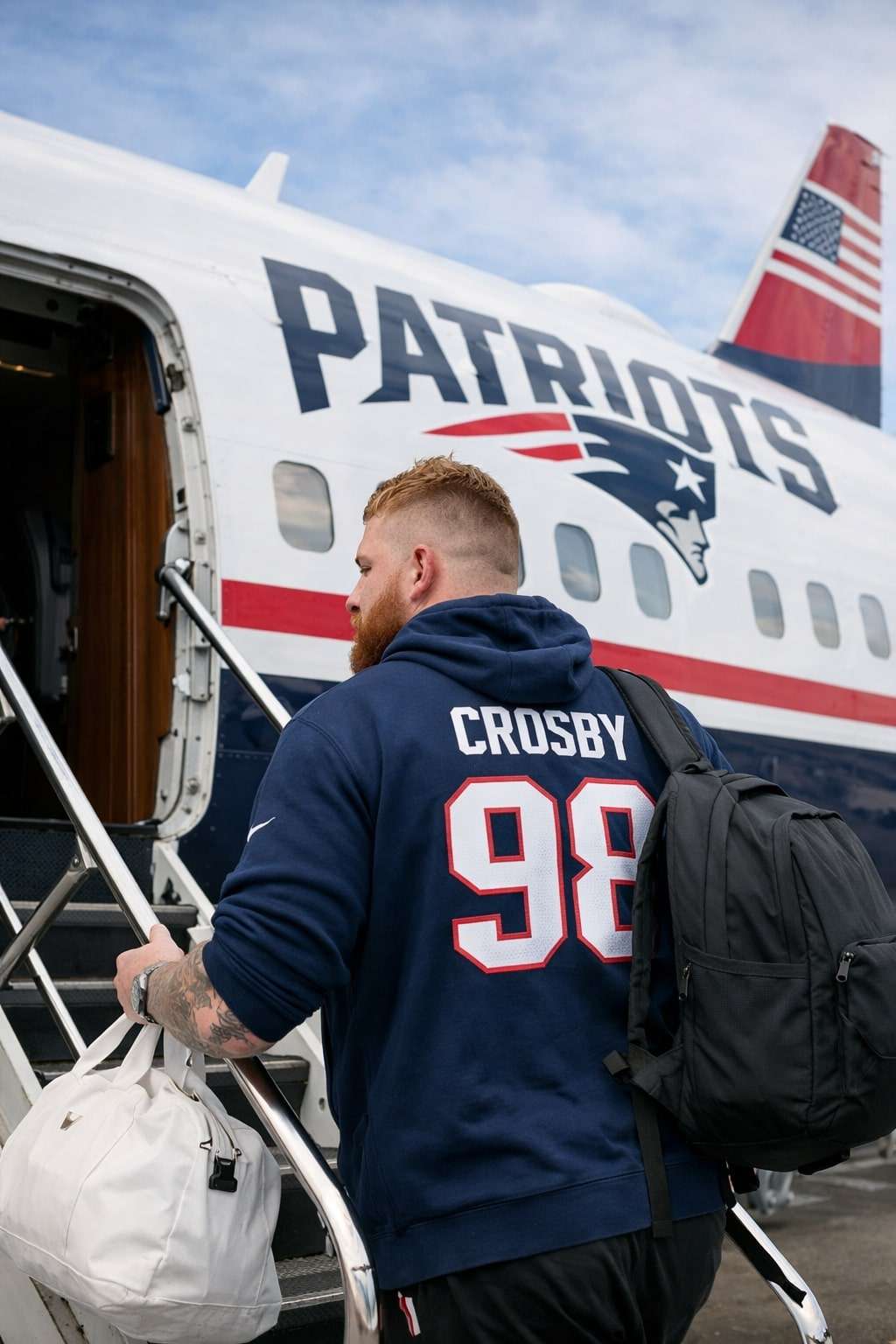
The phones buzzed well past midnight. Conversations were tense, calculated, and unapologetically bold. When the deal was finally agreed to, it sent a shockwave across the league: the Raiders had shipped off an aging Maxx Crosby in exchange for a younger, explosive edge presence—Jack Sawyer—along with valuable future assets. Raider Nation was stunned. Analysts erupted. But inside the building, there was only clarity.
Jack Sawyer wasn’t brought in to replace Crosby’s legacy.
He was brought in to start the next one.
Sawyer arrived in Vegas with a quiet edge and something to prove. Faster off the snap, violent with his hands, and relentless in pursuit, he fit perfectly into Patrick Graham’s aggressive vision. From the first padded practice, it was obvious—offensive tackles were uncomfortable again. Sawyer didn’t pace himself. He hunted.
But the front office wasn’t finished reshaping the defense.
Draft weekend arrived like a storm, and the Raiders attacked the heart of their unit with surgical precision. With two high-upside selections, they secured Whit Weeks and Drayk Bowen—two young linebackers built for the modern NFL, but wired with old-school Raider brutality.
Whit Weeks was the enforcer. Thick, powerful, and instinctive, he diagnosed plays instantly and attacked downhill like a missile. Coaches loved his voice, his physicality, his willingness to meet guards in the hole and win. Weeks was the hammer.
Drayk Bowen, though—that’s where the real shift happened.
From the moment Bowen stepped on the field, the defense moved differently. He was faster than expected, smoother than advertised, and far more advanced mentally than most rookies. Bowen didn’t just react—he anticipated. He beat blockers to spots. He erased passing lanes. And most importantly, he commanded the middle of the defense like he’d been doing it for years.
By the end of OTAs, the whispers started.
By minicamp, they got louder.
By training camp, there was no debate.
Drayk Bowen was the starter at MIKE linebacker.
The green dot went on his helmet, and the defense belonged to him.
Weeks rotated in, delivering punishing hits and setting the tone, but Bowen was the engine. He lined everyone up. He checked protections. He adjusted fronts. When offenses tried to go hurry-up, Bowen slowed them down with intelligence and poise. The rookie wasn’t just surviving—he was elevating everyone around him.
With Sawyer screaming off the edge and Bowen patrolling the middle, the Raiders’ defense became faster, smarter, and more violent. Third downs turned into nightmares. Crossing routes disappeared. Running lanes closed before they opened. What once leaned on a single superstar now thrived on coordinated destruction.
Veterans noticed.
Opponents felt it.
The league took notice.
The Raiders hadn’t disrespected the past by moving Crosby—they had honored it by refusing to let it fade. This new defense wasn’t built on nostalgia. It was built on projection, discipline, and ruthless foresight.
Younger.
Cheaper.
Hungrier.
And as Allegiant Stadium roared under the Vegas lights, one thing became undeniable:
The Raiders didn’t just reload the defense.
They built the next era—around Jack Sawyer off the edge, Drayk Bowen commanding the middle, and a silver-and-black identity that still struck fear every Sunday. ☠️🖤